
Navigating recovery demands patience; however, the website currently faces limitations, temporarily hindering access to crucial exercise resources like downloadable PDFs․
Please revisit later for comprehensive guidance on post-operative rehabilitation, ensuring a safe and effective return to activity․
Why Exercises are Crucial After Back Surgery
Following back surgery, targeted exercises aren’t merely beneficial – they are fundamentally essential for a successful and lasting recovery․ While current website limitations restrict immediate access to downloadable exercise PDFs, understanding the ‘why’ remains paramount․
Exercises help restore strength and flexibility to the muscles supporting your spine, which often weaken during surgery and subsequent inactivity․ This rebuilding process minimizes pain, prevents stiffness, and improves overall function․
Furthermore, a carefully structured exercise program aids in proper healing of the surgical site, reduces the risk of complications like blood clots, and promotes a quicker return to daily activities․ Even gentle movements, when appropriate, can significantly impact your long-term back health․ Rehabilitation is a proactive step towards regaining control and improving your quality of life, despite current resource constraints․
Understanding Your Surgical Procedure & Restrictions
Before embarking on any post-operative exercise regimen, a thorough understanding of your specific surgical procedure is vital․ Unfortunately, immediate access to detailed exercise PDFs is currently unavailable due to website resource limitations․
Each surgery – whether a laminectomy, fusion, or discectomy – necessitates a unique rehabilitation pathway․ Your surgeon’s post-operative instructions outline crucial restrictions regarding movement, weight-bearing, and activity levels․
Adhering to these restrictions is paramount to prevent complications and ensure proper healing․ Ignoring limitations can jeopardize the surgical outcome and prolong recovery․ It’s essential to clarify any ambiguities with your surgical team․ Remember, a personalized approach, guided by professional advice, is key, even while awaiting full resource availability online․
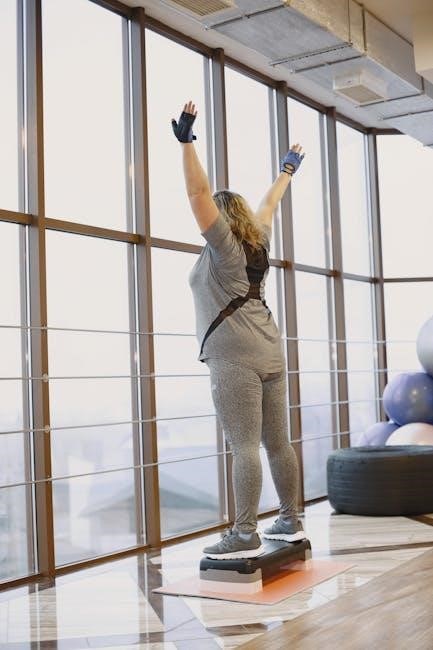
Phase 1: Early Post-Operative Exercises (0-6 Weeks)
Initial recovery focuses on gentle movements; however, downloadable exercise PDFs are temporarily unavailable due to website resource constraints․
Prioritize rest and follow your surgeon’s guidance during this crucial healing phase․
Bed Exercises & Gentle Movements
Commencing exercise while still in bed is a foundational step in post-operative recovery, though accessing detailed PDF guides is currently restricted due to website limitations․ These initial movements aim to restore circulation, prevent stiffness, and gently re-engage core muscles without placing undue stress on the surgical site․
Begin with simple ankle pumps and foot circles, performing 10-15 repetitions each․ Follow this with pelvic tilts, gently rocking your pelvis forward and backward, also for 10-15 repetitions․ These exercises should be pain-free; stop immediately if discomfort arises․ Focus on controlled, small movements․ As strength improves, you can progress to gentle knee bends, sliding your heel towards your buttocks․ Remember to consult your surgeon or physical therapist for personalized guidance, as individual recovery timelines and restrictions vary․ Patience and adherence to prescribed limitations are key during this early phase․
Ankle Pumps & Foot Circles
While comprehensive PDF resources are temporarily unavailable due to website constraints, understanding the importance of ankle pumps and foot circles remains crucial for early post-operative care․ These seemingly simple exercises are vital for preventing blood clots, a significant concern after back surgery, and promoting healthy circulation in your legs․
To perform ankle pumps, gently point your toes up towards your shin, then down away from your shin, repeating this motion 10-15 times․ For foot circles, rotate your feet clockwise and then counter-clockwise, also for 10-15 repetitions each․ These exercises can be performed while lying in bed, several times a day․ They should be pain-free; any discomfort signals a need to stop․ Consistent performance of these movements aids in reducing swelling and maintaining lower limb function during the initial recovery period․
Pelvic Tilts
Despite current website limitations preventing immediate access to detailed exercise PDFs, pelvic tilts are a foundational movement in post-back surgery rehabilitation․ This gentle exercise helps restore proper spinal alignment and strengthens core muscles without placing undue stress on the surgical site․
Lie on your back with your knees bent and feet flat on the floor․ Gently flatten your lower back against the floor by tightening your abdominal muscles and tilting your pelvis upward․ Hold for a few seconds, then relax and allow a small arch to form in your lower back․ Repeat this tilting motion 10-15 times․ Focus on controlled movements, avoiding any pain․ Pelvic tilts improve core stability and prepare you for more advanced exercises as you progress through your recovery journey․
Knee Bends
Acknowledging the temporary unavailability of downloadable exercise PDFs due to resource limitations, knee bends remain a vital early-stage exercise post-back surgery․ This movement promotes circulation, reduces stiffness, and gently engages lower body muscles, contributing to overall recovery․
Lie on your back with your knees bent and feet flat on the floor․ Slowly slide one heel towards your buttocks, bending your knee as far as comfortable without causing pain․ Keep your other foot flat on the floor․ Hold briefly, then slowly return to the starting position․ Repeat 10-15 times on each leg․ Maintain a controlled pace and avoid forcing the movement․ Knee bends help improve joint mobility and prepare your legs for weight-bearing activities as you heal․

Phase 2: Intermediate Exercises (6-12 Weeks)

Due to current website constraints, accessing detailed PDF guides is limited; however, progressing to core and back strengthening is crucial for continued healing․
Core Strengthening Exercises
Currently, obtaining specific exercise PDFs is temporarily unavailable due to website resource limitations, but understanding core engagement remains vital during this phase․ Strengthening these muscles provides essential support for your spine, promoting stability and reducing strain as you regain function post-surgery․
Focus on controlled movements, initiating from your deep abdominal muscles․ While detailed visual guides are presently inaccessible, remember to maintain proper form to avoid re-injury; Gentle activation is key; avoid pushing through pain․
As your strength improves, gradually increase the intensity and duration of these exercises․ Remember to consult your physical therapist for personalized guidance and modifications tailored to your specific surgical procedure and recovery progress․ Prioritize safety and listen attentively to your body’s signals․
Abdominal Bracing
Due to temporary website limitations impacting PDF access, visualizing this exercise may be challenging, but understanding the concept is crucial․ Abdominal bracing isn’t about sucking in your stomach; it’s about gently activating your deep core muscles as if preparing for a light punch․
Imagine tightening a corset around your midsection․ Maintain normal breathing throughout – don’t hold your breath․ This technique provides spinal support and stability during movement, protecting your healing back․ Practice bracing while lying down, then progress to sitting and standing positions․
Though downloadable guides are currently unavailable, remember to engage these muscles throughout daily activities․ Consistent bracing helps reinforce proper posture and minimizes strain․ Consult your physical therapist for personalized instruction and ensure correct execution․
Bird Dog Exercise
Currently, accessing detailed PDF instructions is restricted due to website resource limitations, but the Bird Dog remains a valuable exercise for core and back stability․ Begin on your hands and knees, ensuring a neutral spine – avoid arching or rounding your back․
Simultaneously extend one arm forward and the opposite leg backward, maintaining balance and core engagement․ Imagine a straight line from your hand to your heel․ Hold briefly, then slowly return to the starting position and repeat on the other side․
Focus on controlled movements and avoid twisting․ This exercise strengthens the muscles supporting your spine without placing excessive stress on the surgical site․ Remember to prioritize proper form over repetitions, and consult your therapist for guidance․
Partial Crunches (with caution)
Due to temporary website constraints, detailed PDF guides are unavailable; however, partial crunches can cautiously aid core strengthening post-surgery․ Lie on your back with knees bent and feet flat, hands lightly supporting your head – avoid pulling on your neck․
Engage your abdominal muscles and lift your head and shoulders a few inches off the floor, maintaining a neutral spine․ Focus on contracting your abs, not using momentum; Slowly lower back down․
Caution is paramount: If you experience any pain, immediately stop․ Partial crunches should be performed with a limited range of motion and only when cleared by your doctor or physical therapist․ Full sit-ups are generally discouraged post-surgery․
Back Extension Exercises
Currently, downloadable PDF resources are limited; however, back extensions, when appropriately prescribed, can strengthen spinal muscles post-surgery․ Begin lying face down with hands lightly supporting your head or crossed over your chest․
Gently lift your chest a few inches off the floor, squeezing your back muscles․ Avoid overextending or forcing the movement․ Maintain a controlled pace, focusing on engaging the lower back muscles․ Slowly lower back down to the starting position․
Important considerations: These exercises should only be performed under the guidance of a physical therapist․ Pain signals a need to stop immediately․ Start with a small range of motion and gradually increase as strength improves․
Prone Press-Ups
Access to detailed PDF guides is temporarily unavailable, but prone press-ups are a valuable exercise for post-surgery back strengthening, when cleared by your doctor․ Lie face down with your hands positioned under your shoulders, palms down․
Engage your core and slowly push your upper body up, keeping your hips on the floor․ Focus on using your back muscles to lift, rather than relying on your arms․ Maintain a straight line from head to heels․
Lower yourself back down with control․ Start with a small range of motion and gradually increase as your strength improves․ Caution: Stop immediately if you experience any pain․ Proper form is crucial to avoid re-injury․
Cat-Cow Stretch
While downloadable PDFs are currently inaccessible, the Cat-Cow stretch remains a gentle yet effective exercise for post-back surgery mobility, with doctor’s approval․ Begin on your hands and knees, ensuring your hands are shoulder-width apart and knees are hip-width apart․
Inhale as you drop your belly towards the floor, arching your back and lifting your head and tailbone (Cow pose)․ Exhale as you round your spine towards the ceiling, tucking your chin to your chest and drawing your belly button in (Cat pose)․
Continue alternating between these two poses, coordinating your breath with your movement․ This promotes spinal flexibility and reduces stiffness․ Remember: Listen to your body and avoid any movements that cause pain․

Phase 3: Advanced Exercises (12+ Weeks)
Currently, PDF access is limited; however, progressing to advanced exercises requires careful consideration and physician guidance for optimal strength and stability․
Full Core Strengthening Program
Unfortunately, due to current resource limitations, readily available PDF downloads detailing a full core strengthening program are temporarily inaccessible; However, a robust program is vital at this stage, focusing on deep abdominal muscles, obliques, and back extensors․
This phase builds upon previous exercises, increasing repetitions and incorporating more challenging variations․ Expect exercises like advanced planks (with arm or leg lifts), rotational movements with resistance bands, and controlled torso twists․ Prioritize maintaining proper form to avoid re-injury․
Remember, a comprehensive program should address all core muscle groups, enhancing spinal stability and functional movement patterns․ Consult with your physical therapist to design a personalized plan, adapting exercises based on your individual recovery progress and any lingering restrictions․ They can provide tailored guidance and ensure safe progression․
Plank Variations
Currently, direct access to downloadable PDF guides illustrating plank variations is limited due to website resource constraints․ However, progressing beyond a standard plank is crucial for advanced core stability post-surgery․
Variations include side planks (strengthening obliques), plank with alternating arm lifts (enhancing shoulder stability), and plank with leg lifts (improving lower back control)․ Forearm planks offer a modified option, reducing stress on wrists․ Dynamic planks, involving small hip dips or rotations, further challenge core engagement․

Remember to maintain a straight line from head to heels, engaging your core throughout each exercise․ Start with shorter holds and gradually increase duration as strength improves․ Prioritize proper form over prolonged holds to prevent strain․ Your physical therapist can demonstrate correct technique and tailor variations to your specific needs․
Side Plank
Access to detailed PDF instructions for the side plank is temporarily unavailable due to current website limitations․ Nevertheless, the side plank is a vital exercise for post-back surgery rehabilitation, focusing on oblique and lateral core strength․
To perform, lie on your side, supporting yourself on your forearm and the side of your foot, keeping your body in a straight line․ Engage your core to prevent hip sagging․ Modifications include bending your bottom knee for reduced intensity or performing the exercise with your top leg lifted for increased challenge․
Hold the position for as long as you can maintain proper form, gradually increasing the duration․ This exercise improves spinal stability and helps prevent lateral flexion․ Consult your physical therapist for personalized guidance and ensure it aligns with your recovery stage․
Bridge Exercise
Currently, downloadable PDF guides for the bridge exercise are inaccessible due to temporary website resource constraints․ However, the bridge exercise remains a cornerstone of post-back surgery recovery, strengthening the glutes, hamstrings, and lower back․
Begin by lying on your back with knees bent and feet flat on the floor․ Gently lift your hips off the ground, squeezing your glutes at the top of the movement․ Maintain a straight line from your shoulders to your knees․
Hold briefly, then slowly lower back down․ Modifications include performing single-leg bridges for increased difficulty or adding a resistance band around your thighs․ Proper form is crucial; avoid arching your back excessively․ Your physical therapist can provide tailored instructions․
Hamstring Stretches
Access to detailed, printable hamstring stretch guides in PDF format is presently limited due to website resource issues․ Nevertheless, maintaining hamstring flexibility is vital post-surgery, reducing strain on the lower back and promoting proper posture․
A common stretch involves lying on your back with one leg extended․ Gently pull the extended leg towards your chest, keeping your knee slightly bent․ Hold the stretch for 20-30 seconds, feeling a gentle pull in the back of your thigh․
Alternatively, seated hamstring stretches can be performed․ Sit with legs extended and reach towards your toes․ Avoid bouncing or forcing the stretch․ Consult your physical therapist for personalized guidance and modifications, ensuring safe and effective execution․
Quadriceps Stretches
Currently, obtaining detailed quadriceps stretch instructions in PDF format is temporarily unavailable due to website resource constraints․ However, restoring quadriceps flexibility is crucial for post-surgical recovery, aiding in gait and reducing stress on the back․
A simple standing quad stretch involves holding onto a stable surface for balance․ Gently pull one heel towards your buttock, feeling a stretch in the front of your thigh․ Maintain a straight back and avoid arching․ Hold for 20-30 seconds․
Lying quad stretches are also effective․ Lie on your side and perform the same heel-to-buttock pull․ Remember to listen to your body and avoid pain․ Your physical therapist can provide tailored exercises and ensure proper form․

Important Considerations & Safety
Due to temporary website limitations, accessing detailed safety PDFs is restricted; prioritize listening to your body and consulting your doctor before starting any exercise․

Listening to Your Body & Pain Management
Your body’s signals are paramount during post-operative recovery, though current website constraints limit immediate PDF access to detailed pain management guides․ Pay close attention to any discomfort experienced while performing exercises․ A slight ache is often acceptable, indicating muscle engagement, but sharp, radiating, or increasing pain is a clear signal to stop immediately․
Do not push through pain, as this could hinder healing and potentially cause further injury․ Modify the exercise, reduce the range of motion, or rest․ Utilize prescribed pain medication as directed by your physician to manage discomfort and facilitate participation in rehabilitation․ Remember, consistent, gentle progress is far more beneficial than aggressive attempts that exacerbate pain․ Prioritize comfort and safety above all else, and consult your doctor if pain persists or worsens․
Proper Form & Technique
Maintaining correct form during exercises is absolutely critical for a successful recovery, despite current website limitations preventing immediate PDF downloads of instructional materials․ Incorrect technique can place undue stress on the healing spine and surrounding muscles, potentially leading to setbacks or complications․
Focus on controlled movements, engaging the correct muscle groups, and avoiding compensatory patterns․ If you are unsure about proper form, seek guidance from a physical therapist or qualified healthcare professional․ They can provide personalized instruction and ensure you are performing exercises safely and effectively․ Consider using a mirror to monitor your posture and alignment․ Prioritize quality over quantity, and remember that slow, deliberate movements are preferable to rushed, sloppy ones․
When to Contact Your Doctor
Despite temporary website access issues impacting downloadable exercise PDFs, promptly contacting your doctor is vital if you experience concerning symptoms during rehabilitation․ Don’t hesitate to reach out if you encounter a sudden increase in pain, especially if it’s sharp or radiating․
Also, report any new neurological symptoms like numbness, tingling, or weakness in your legs or feet․ Fever, redness, swelling, or drainage from the incision site require immediate medical attention․ Any difficulty controlling bowel or bladder function is a serious sign․ Remember, your doctor is your primary resource for guidance and can adjust your exercise plan based on your individual progress and any complications that may arise․
Resources for Printable Exercise PDFs
Currently, due to a temporary resource limit on the website, direct access to printable exercise PDFs is unavailable․ We understand the convenience of having these resources readily available for your post-back surgery rehabilitation․
However, your surgical team should provide you with a personalized exercise protocol and potentially printed materials․ Alternatively, reputable hospital websites and physical therapy clinics often offer downloadable PDFs․ Search for resources from organizations like the American Academy of Orthopaedic Surgeons or the National Institutes of Health․ Be sure any PDF you use is approved by your doctor to ensure it aligns with your specific surgical procedure and recovery stage․ We apologize for the inconvenience and are working to restore full access․

Long-Term Back Health & Prevention
Maintaining a healthy back post-surgery requires consistent effort beyond the initial rehabilitation phases․ While accessing specific exercise PDFs may be temporarily limited due to website constraints, the principles remain vital․
Focus on incorporating core strengthening, regular stretching, and proper body mechanics into your daily routine․ Continued adherence to a tailored exercise program, initially provided by your physical therapist, is crucial․ Prioritize good posture, lift objects correctly, and maintain a healthy weight․ Remember, preventing future back issues relies on proactive habits․ Though PDF access is currently restricted, your healthcare provider remains your best resource for personalized guidance and long-term back health strategies․